Local Eats & Summer Treats
The summer heat had me seeking out snow cones this year.Downtown Edmond is hosting Katiebug’s snow cone truck on one of their street corners! Katiebug’s makes handcrafted syrups with organic sugar and fresh fruits, teas, and herbs. The business takes pride in making dye and preservative-free syrups. Their flavors are also gluten-free for those with dietary restrictions!
We tried the raspberry lemonade and pineapple hibiscus snow cones while my pup had his own pup-cone! The  snow cones were $4 and the pup-cone was $1, making it a fun and affordable cool treat. Keep an eye out for Katiebug’s at OKC’s food truck Friday’s and in Edmond off of N. Broadway. Looking for something else to cool off with? Katiebug’s also offered craft sodas and frozen hot chocolate. They were family friendly, had fun yard games, and flavorful homemade snow cones without the additives and preservatives! -HM
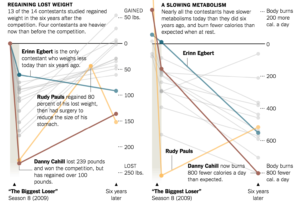 due to their significantly lowered resting metabolic rates (RMR), which resulted from their severely limited caloric intake. This change in their RMR is called metabolic adaptation and averaged ~500 kcal per day lower than expected in season 8 contestants. In addition to their lowered RMRs, the contestants also produced substantially less leptin, a hormone that controls hunger.
 are frequently right inside the door, on the way to the bathroom, or near soda machines, taking advantage of high foot traffic areas. They’re also strategically placed at eye level for kids and waist high where adults will see the whole array. These snacks may sound appealing and easy, but keep in mind they are low in nutrients and high in sodium, fat, and all the microbes floating around in the air!
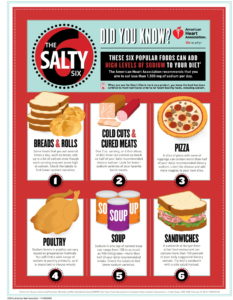 a good goal is not to exceed 2,300 milligrams of sodium per day and keeping closer to 1,500 milligrams per day is ideal. Cooking at home, eating whole foods, and checking food labels are great ways to monitor sodium intake. American Heart Association also recommends limiting the “Salty Six” in our diet.
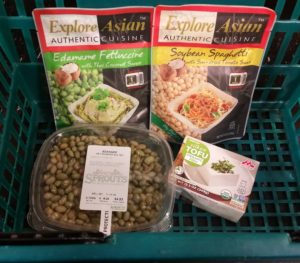 made from soybeans, which are grown in Asia, South America, and North America. Soy products, such as tofu and miso, are often associated with Asian cuisine, but there are many ways to eat soy. You can eat immature green soybeans as edamame or the mature brown soybeans, which are used for most processed soy products.
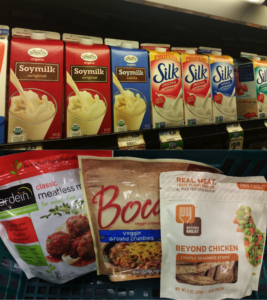 oymilk is thick and creamy like animal milk, and comes in sweetened and unsweetened variations. Soy coffee creamers and cheese are other dairy alternatives. Soy is frequently used as a meat alternative. Common brands to look for in your freezer section include Boca and MorningStar. Burger patties, crumbles similar to ground beef, soy hotdogs, and soy “chicken” are available. In general, tofu and soy meat products will typically absorb the flavor of whatever you decide to season it with.