The Growth of Organic Foods
 Until recently, shopping for organic foods took a special trip to an upscale grocery store or local farmer’s market, and increased costs. As the American interest in organic foods has grown, so has availability for those foods in supermarkets. You can find a wide variety of organic products in 3 of 4 conventional grocers. Locally organic foods are plentiful in Sprouts, Whole Foods, Target, Uptown Market, Sam’s, and Walmart.
Most organic shoppers consider themselves health conscious and are convinced organic foods and beverages provide benefits. While true in most cases, it’s important not to misinterpret “organic”. Many consumers assume that “organic” means “nutritious”, which is not always the case. For example, organic chocolate cake is still going to contain the extra calories, fats, and sugars.
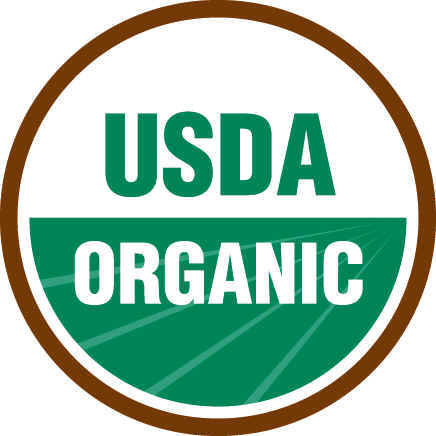
You may have seen labels say “USDA Organic” (pictured at a
local Target on right) which refers to unique sourcing, growing, harvesting, and processing methods. Unique in a sense that USDA organic operation’s main goal is to “demonstrate that products are protecting natural resources, conserving biodiversity, and using approved substances,” which is great as long as you keep in mind that “organic” does not always mean “healthier”. Organic, by definition, is a labeling term that indicates the food or other product has been produced through approved methods integrating cultural, biological, and mechanical practices. When conserving biodiversity; synthetic fertilizers, sewage sludge, irradiation, and genetic engineering may not be used.
Fruits and vegetables are the largest and fastest growing organic food category for sales (up 15% from 2012), followed by dairy. As consumer interest in organic foods continue to grow, so will the market for these options, which could result in more reasonable prices for those organic foods. sy